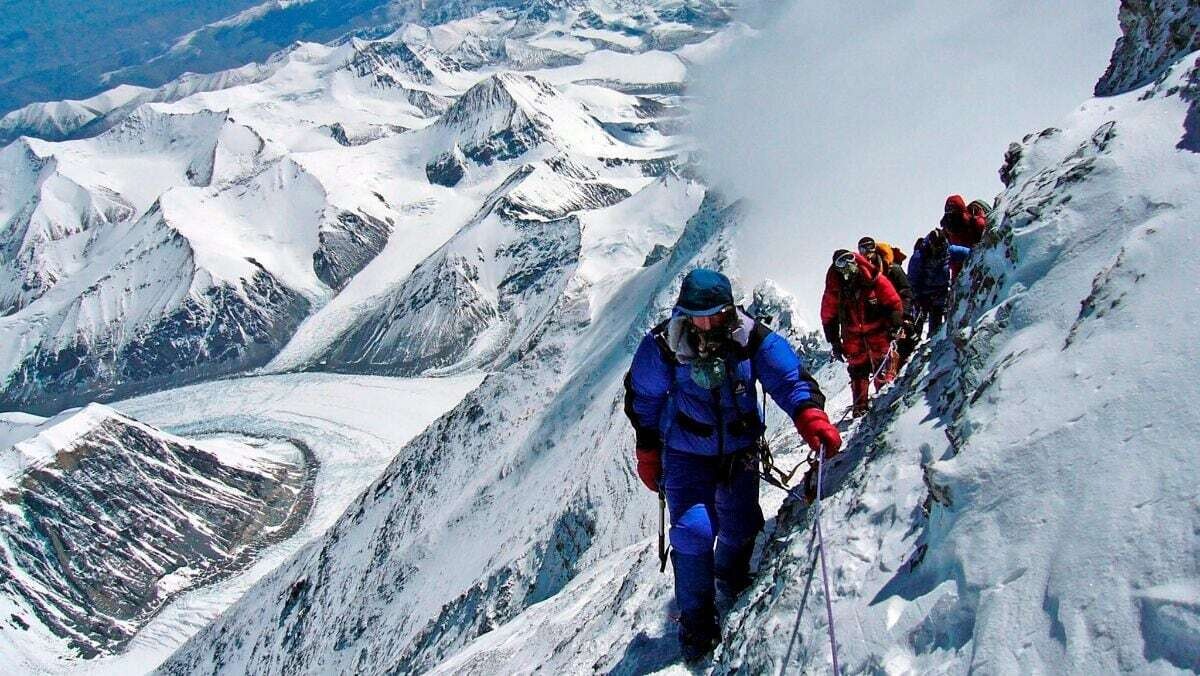
Nepalese authorities have announced an increase in climbing fees for Mount Everest, the highest peak on the planet, to address environmental concerns. Starting September 1, 2025, the permit fee for foreigners wishing to climb Everest in spring will rise to $15,000 per person. Additionally, stricter regulations will be implemented in all seasons, with increases in permit prices.
Indu Ghimire, the Deputy Secretary of the Ministry of Tourism, explained that the cost for autumn will be $7,500, for winter and monsoon $3,750, and the validity of the permit will be reduced from 75 to 55 days. These changes respond to the growing number of climbers attempting to ascend the mountain each year, leading to troubling overcrowding and significant ecological impact on its slopes.
According to Ghimire, mountaineering regulations have been modified to address pollution, launching initiatives to adopt sustainable practices that conserve Everest's delicate ecosystem. One of the measures includes the mandatory use of biodegradable bags for human waste, aimed at reducing trash generated by climbers.
During the spring season of 2024, nearly 100 tons of waste were collected on Everest, while about 600 climbers, including 200 foreigners, reached the summit. A total of eight deaths were reported. With nearly 8,900 people having reached the summit from the Nepal side since 1953, efforts are now underway to limit climbs and preserve the fragile ecosystem of the mountain for future generations.